
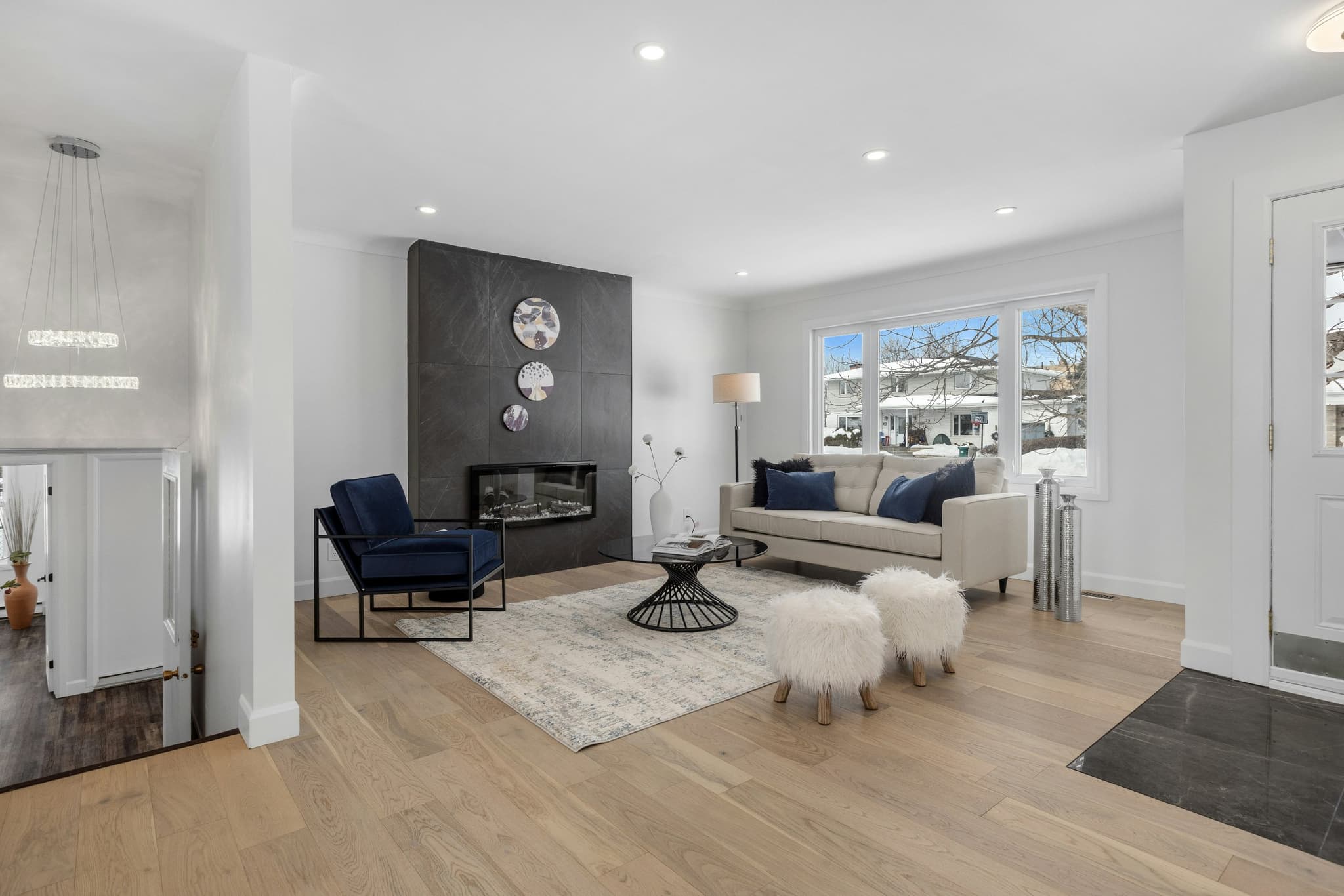
Staging That Actually Moves the Number
Staging a home adds massive value. Done right, it is one of the highest-return moves a seller can make, because it changes the single thing that decides most sales: how a buyer feels in the first ten seconds of walking through the door. Here is how we think about it.
What staging actually does
Buyers do not evaluate homes the way appraisers do. They react. A room that feels bright, spacious, and cared for reads as a home they can picture their life in. A cluttered or dated one reads as work, and work gets discounted in their heads before they reach the kitchen. Staging is the practice of managing that reaction on purpose.
It starts with subtraction, not decoration
The biggest staging gains are usually free or close to it. Decluttering, depersonalizing, and rearranging what is already there does more than bringing in expensive furniture. Empty the counters, pare down the closets so they look generous, and pull the family photos so a buyer sees themselves instead of you. Space and light sell. Stuff does not.
Where the spend is worth it
Beyond subtraction, targeted staging pays: fresh paint in a current color, updated lighting, and furnishing key rooms so their scale and purpose are obvious. An empty house often shows worse than a staged one because buyers struggle to judge whether their furniture fits. The living room, the primary bedroom, and the kitchen are where staging earns the most.
How we do it
Staging is part of our listing method, run by an in-house designer rather than farmed out, so the plan for each room is tied to moving the home up our 1-to-10 scale rather than to a generic look. We stage to the buyer this home will actually attract, not to a catalog. And because it is in-house, it happens on our schedule, not a vendor's.
Wondering what staging would do for your sale? Rate your house 1 to 10 and we will show you.